Returns to Syria Remain Unsafe: Insights From a Recent German Court Ruling
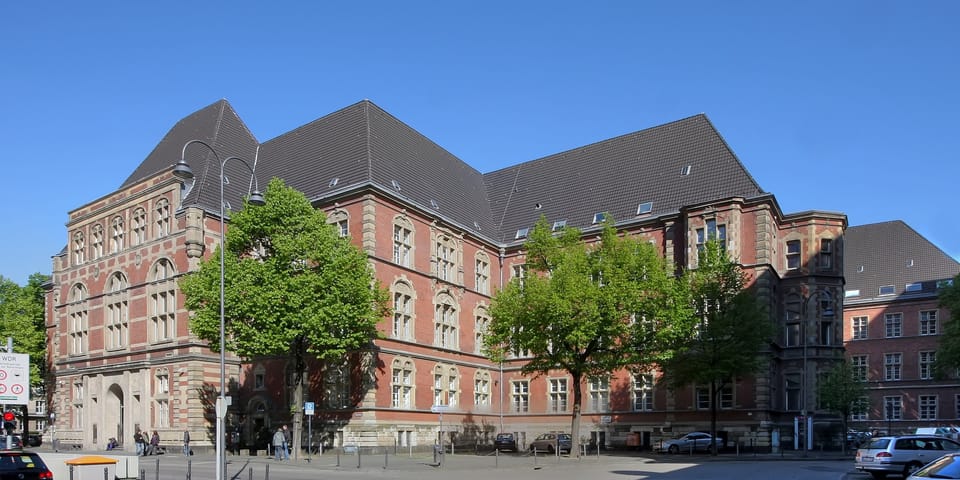
One year after the fall of the Assad government, the EU has continued to grapple with how to respond to Syrians’ claims for protection. On October 31, 2025, the Cologne Administrative Court in Germany issued a decision regarding a Syrian applicant whose claims for protection were initially denied by the German Federal Office for Migration and Refugees (BAMF). After the applicant appealed, the Cologne Court issued interim measures, suspending the deportation order and opening the case to the merits. The Court found that the BAMF had not adequately considered the applicant’s individual circumstances in determining whether he would be at risk of inhuman or degrading treatment upon return to Syria. Such a risk would violate Article 3 of the European Convention on Human Rights (ECHR), in which case a deportation ban under the domestic rules of Germany (Sect. 60 (5) and (7) Residence Act) would have to be granted by the BAMF.
In its decision, the Court explained that poor humanitarian conditions amount to a prohibition of deportation under Article 3 of the ECHR only in exceptional circumstances, requiring a particularly high level of harm to the individual. Determining whether the threshold of harm is met requires an individualized assessment that considers factors such as the applicant’s maintenance obligations, region of intended return, professional background, physical limitations, and family or social support networks.
As the Court notes, established case law from the Federal Administrative Court, the CJEU, and ECtHR outlines that a return is not dignified if an individual’s basic needs – including food, hygiene, and shelter – are unable to be met due to extreme material hardship. However, while the Court acknowledged that years of conflict in Syria have caused severe socioeconomic devastation, widespread destruction of infrastructure, chronically poor economic conditions, food insecurity, and a population still heavily reliant on humanitarian assistance, the Court explained that a violation of Article 3 still would not exist if an individual is able to earn even a “meager income” through casual work and “finance a life on the brink of subsistence.”
As SJAC has previously explained, conditions for safe and dignified return are currently absent in Syria due to structural barriers that cannot meaningfully be offset by limited financial incentives offered by EU Member States, nor by a “meager income” an individual may be able to gain upon return to Syria. The structural barriers SJAC has documented include housing, land, and property violations, lack of access to healthcare and education, damaged water and sanitation infrastructure, and remnants and unexploded ordinances.
SJAC’s findings are in line with information reported by other actors as well. For example, in the European Union Agency for Asylum’s (EUAA) latest country guidance on Syria, issued on December 2, 2025, the agency noted that the sustainability of returns from abroad is “severely limited.” The agency explained that returnees continue to face difficulty in accessing basic services and livelihood opportunities, with the main challenges cited by returnees as unemployment, a high cost of living, poor infrastructure and living conditions, and a lack of humanitarian/development support – structural barriers that limited financial income will not offset. Moreover, UNHCR continues to call for a moratorium on forced returns, calling on States to refrain from sending individuals back to Syria due to numerous violations that will take time to resolve, including ongoing violence, large-scale internal displacement, and more.
Premature and forced returns risk further destabilizing Syria and may expose returnees to inhuman and degrading treatment. After more than a decade of conflict, the longstanding structural barriers Syrians face, exacerbated by individual risk factors, will not be resolved overnight but instead require time and commitment. By ensuring that returns for Syrians are safe, dignified, and sustainable and refraining from premature forced returns, only then will EU Member States uphold their obligations to protect fundamental rights while also allowing Syria the time it needs to pursue a sustained recovery.
___________________________
For more information or to provide feedback, please contact SJAC at [email protected] and follow us on Facebook and Twitter. Subscribe to SJAC’s newsletter for updates on our work